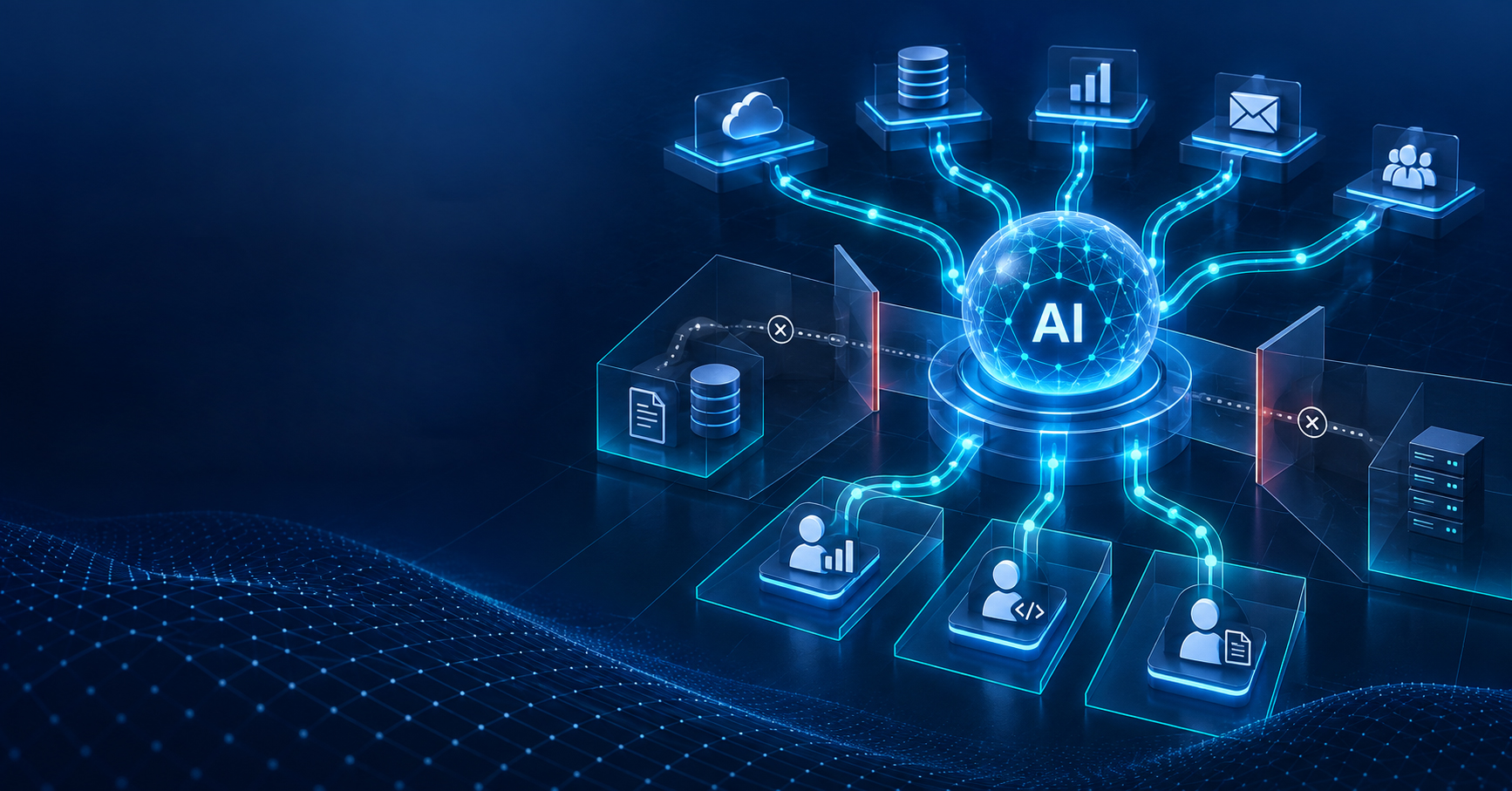


Big Data LDN is two days of talks, demos and hallway conversations about where data and AI are heading. This year, the moment that stayed with me didn't happen on a stage. It was an hour-long conversation with Huw Ringer about a tool he's built for database migrations.
I've heard plenty of bold claims at tech events. This one floored me, and it's worth explaining why.
Not long ago, a large enterprise database migration was one of the heaviest lifts in software delivery. A project of that kind could mean a team of around 50 people working for eight months. Anyone who has lived through one knows where that time went: profiling source data, mapping schemas, writing and rewriting transformation logic, reconciling records, running test cycles, planning the cutover, and coordinating dozens of people across all of it.
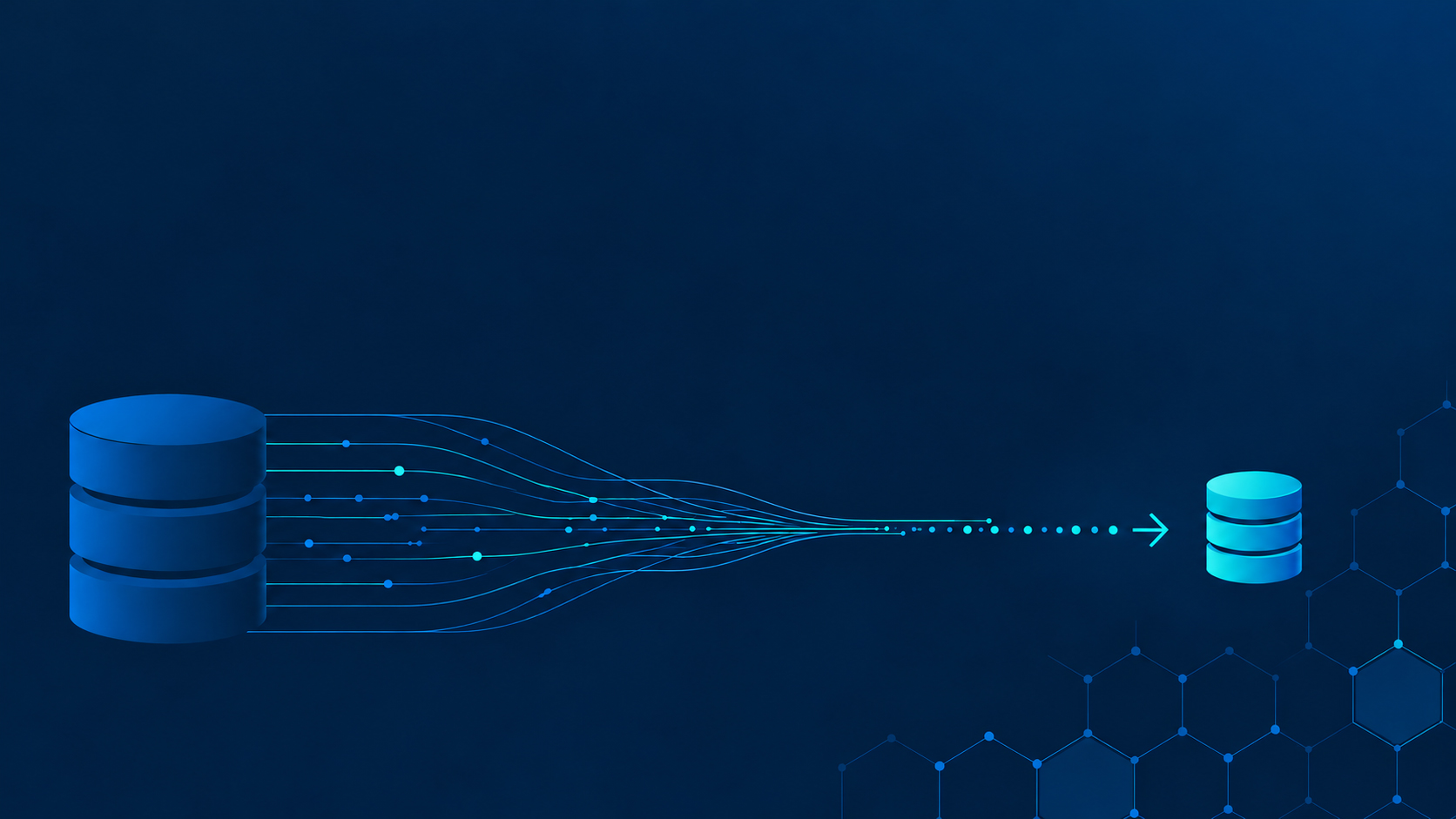
Huw's product can now do that kind of work in about 30 minutes, with one person.
That's not a typo. And it isn't a marginal gain from a better script or a faster server. It's a different category of outcome: work that used to be measured in team-months is now measured in minutes.
What makes the conversation significant is what it represents. Entire delivery workflows are being compressed by AI-native tooling in ways that weren't on anyone's roadmap two years ago.
Migrations happen to be a vivid example because the before-and-after numbers are so stark. But the same pattern is showing up across code modernization, testing, data pipeline work and documentation. Tasks that were defined by volume and repetition are exactly the ones that AI-native tools absorb fastest.
For anyone who plans, funds or runs technology delivery, that changes the basic math. Timelines, team shapes and budgets built on assumptions from even three years ago are starting to look out of date.
The rest of the event added an important counterweight. Across the sessions and conversations, one theme kept coming up: the gap between AI experimentation and production isn't closing as fast as the hype suggests.
A line from one lightning talk summed it up well: "Nobody budgets for the tokens an agent spends exploring." Cost in agentic AI isn't something to sort out at procurement. It's an architecture decision, and teams that don't treat it that way find out in production.
The same goes for the parts of delivery that tooling doesn't replace:
In other words, the effort doesn't disappear. It moves. The hours that used to go into repetitive execution now need to go into judgment, architecture and oversight.

This is the direction we believe delivery is heading, and it's how we think about the work at Forte Group: smaller, senior teams working alongside AI-native tooling, with human expertise concentrated on the decisions that shape outcomes rather than on volume work a tool can handle.
Seeing a product like Huw's up close was a strong confirmation that this isn't a distant future. It's happening now, and the organizations that adjust their assumptions early will have a real advantage.
If you lead technology or data delivery, a few questions are worth putting to your team:
Big Data LDN left me with two ideas that sit side by side. Delivery is compressing faster than most roadmaps assumed, and the fundamentals of good delivery matter more than ever. The teams that win will be the ones that hold both at once.
Thank you to Huw for a genuinely eye-opening conversation, and to everyone Kevin and I met at Olympia last week.


83% faster delivery. Under 10% rework. See exactly how Xceptor got there.